A proposed investment in Ralls County's future
Ralls County Data Center
Planning priorities include conserving water, protecting existing electric cooperative members, and considering how development could affect nearby properties. Explore the site, potential community benefits, and the design approaches available to address water use, power, noise, and other local concerns.
Join us for an Open House Wednesday, November 11, 5-8 PM
Representatives from the following companies will be present and available to answer questions.



THE PROPOSAL
What is being proposed?
Navier, Inc. is working to prepare a location in central Ralls County to attract a future data center operator.
Data centers house the computer servers and equipment behind everyday services such as online banking, business software, medical records, and digital communications.
Navier’s current role centers on land and power arrangements, infrastructure planning, and the applicable development approvals. A future operator would develop and operate a facility suited to its needs.
No specific facility design is currently proposed. Building layouts, equipment, cooling systems, staffing, and construction schedules would depend on a future operator and its development plans. Any concepts shared at this stage illustrate potential uses of the property.
Anticipated power capacity
Property under option
Estimated Investment*
Estimated permanent jobs*
* These are preliminary estimates that may change as design advances.
POTENTIAL ECONOMIC IMPACT
An Opportunity for Local Investment and Growth
A future data center could bring private investment, construction activity, permanent employment, and additional tax revenue to Ralls County.
Preparing the site creates an opportunity to pursue those benefits while addressing the infrastructure and operating considerations that matter to the community.
Additional Property Tax Revenue
Taxable buildings and equipment could generate revenue for local taxing districts, including schools and county services. Actual contributions would depend on the completed development, assessed values, and any approved incentive arrangements.
Construction and Permanent Employment
Construction could create opportunities for skilled trades, contractors, and suppliers. Ongoing operations could support positions in electrical and mechanical maintenance, facility operations, security, and technical services. Staffing would depend on the future operator.
Local Business Opportunities
Development could create demand for area materials and services, including concrete, aggregate, electrical work, transportation, fuel, lodging, and food. Local participation would depend on purchasing and contracting decisions.
Project-Funded Power Facilities
Navier anticipates that electric facilities constructed specifically for the development would be funded through the project. Final payment responsibilities would be established through utility arrangements and agreements.
LOCATION & SITE PLAN
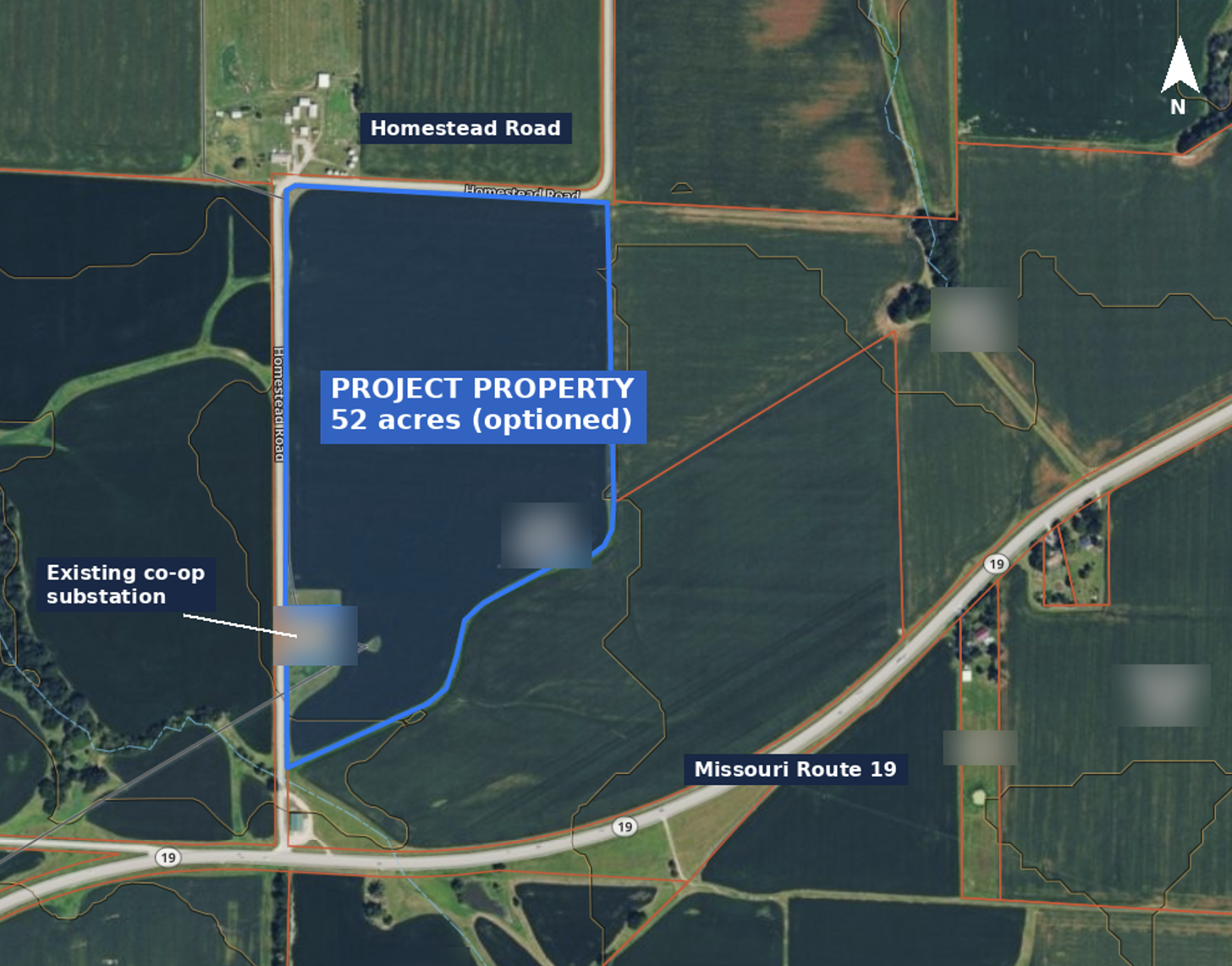
Located in Central Ralls County
Future site planning would consider building placement, equipment areas, access, separation from neighboring properties, screening, and stormwater management.
Modern Design Options and Local Considerations
Modern data center design offers ways to conserve cooling water, improve energy efficiency, control equipment sound, and screen views from neighboring properties.
The following sections explain how these approaches work and the community concerns they can help address.
Cooling options that conserve water
Modern cooling options can reduce the amount of new water needed to remove heat from computer equipment.
Dry-cooling systems release heat to outdoor air without evaporating water for cooling. Hybrid systems can add water-assisted cooling during hotter conditions. These approaches can reduce cooling-water demand compared with systems that rely on evaporation.
Evaluating the water supply and expected demand, including during hot summer weather, would be part of planning for a future facility.
Efficient systems and protection for existing members
Efficient cooling, airflow management, and electrical equipment can reduce the energy used to support computer operations.
The property is adjacent to an existing electric cooperative substation. Navier has identified protecting existing cooperative members as a planning priority, including project-funded electric facilities built specifically for the development.
Utility planning and written agreements would need to address power supply, required improvements, and responsibility for the costs of serving a future facility.
Sound control for nearby properties
Equipment selection and site layout can help limit the sound reaching neighboring properties. Options include lower-noise cooling equipment, sound-reducing enclosures, barriers, and greater separation between equipment and homes.
Backup generators provide power during outages and require periodic testing. Their placement, sound controls, and testing schedules can help manage disruption.
A site-specific sound evaluation would help establish expected conditions at nearby properties during everyday operation and generator testing. Generator emissions would also need to be addressed under applicable air requirements.
Planning for access and construction traffic
Designated truck routes, coordinated deliveries, and construction scheduling can help manage traffic and reduce disruption during building work.
Preliminary planning has considered access from Homestead Road, with construction traffic approaching from Missouri Route 19. Planning would also need to address road conditions, safe access, and any improvements required for development.
Once operating, a data center’s traffic generally involves employees, maintenance visits, and equipment deliveries.
Separation, screening, and runoff management
Site design can provide separation between equipment and nearby properties. Landscaping and screening can soften views of buildings and equipment, while carefully directed lighting can limit unnecessary glare beyond the site.
Stormwater basins can temporarily hold rainfall runoff and release it gradually, helping manage water flowing off the property.
These approaches can be considered as a future operator develops the building layout, access roads, equipment areas, and drainage plan.
Clear responsibilities throughout the life of the site
Responsible development includes identifying who maintains the property, addresses operating concerns, and pays for cleanup if operations end.
Written conditions and agreements can establish responsibilities and explain how they apply if ownership changes. County review and applicable state permitting would address their respective requirements.
Decommissioning and any financial-security requirements remain topics to be addressed through the development and approval process.
Planning information describes potential development at the anticipated capacity. Illustrative concepts, operating assumptions, and example designs do not represent a selected facility design or commitments by a future operator.
STATUS AS OF NOVEMBER 5, 2026
Land:
Under option to Navier.
County application:
None filed.
Next steps: Navier plans to apply to Ralls County for a Conditional Use Permit (CUP). Any approval would be conditioned on the county’s review of final design documents.